March 17, 2026
In commercial building maintenance, window restoration plays a vital role in preserving aesthetics, functionality, and energy efficiency. Windows are more than just a structural component—they define the appearance of a building, influence occupant comfort, and directly impact energy costs. Over time, exposure to weather, UV rays, and everyday wear can cause glass to fog, frames to warp, and seals to deteriorate. Neglecting these issues can lead to higher utility bills, decreased safety, and reduced property value.
Professional commercial window restoration offers a proactive solution, addressing these concerns before they escalate into costly repairs or replacements. Beyond repair, these services provide modern upgrades, including advanced glazing techniques, energy-efficient glass, and protective coatings that enhance performance and extend the life of windows. For businesses focused on sustainability, energy conservation, and occupant comfort, commercial window restoration represents an investment that pays off in operational savings and improved building performance.
From replacing broken glass and refinishing frames to weatherproofing, tinting, and preserving historic windows, comprehensive restoration ensures that commercial properties remain safe, efficient, and visually appealing. For building owners and managers, understanding the range of services available is essential for making informed decisions that protect both the investment and the long-term value of their properties. With the increasing emphasis on energy efficiency and sustainability, commercial window restoration has become not just a maintenance task but a strategic initiative for modern buildings.
Replacing and Upgrading Commercial Window Glass
Damaged glass in commercial buildings, including cracks, chips, or fogging, can compromise safety and appearance. Early detection and timely replacement prevent further deterioration and comply with building codes. Selecting the right glass type is critical for balancing energy efficiency and durability. Low-emissivity (Low-E) glass reduces heating and cooling costs, while laminated or tempered glass enhances strength and safety.
Modern glazing techniques, such as triple-glazed units, improve insulation, reduce sound transmission, and lower energy consumption. Safety and security glass adds protection against breakage, intrusions, and extreme weather. Although high-quality glass may require upfront investment, long-term savings in utility bills and repair costs make it a financially sound decision. Integrating glass replacement with commercial window restoration ensures improved energy efficiency, safety, and building aesthetics.
Restoring and Refinishing Window Frames
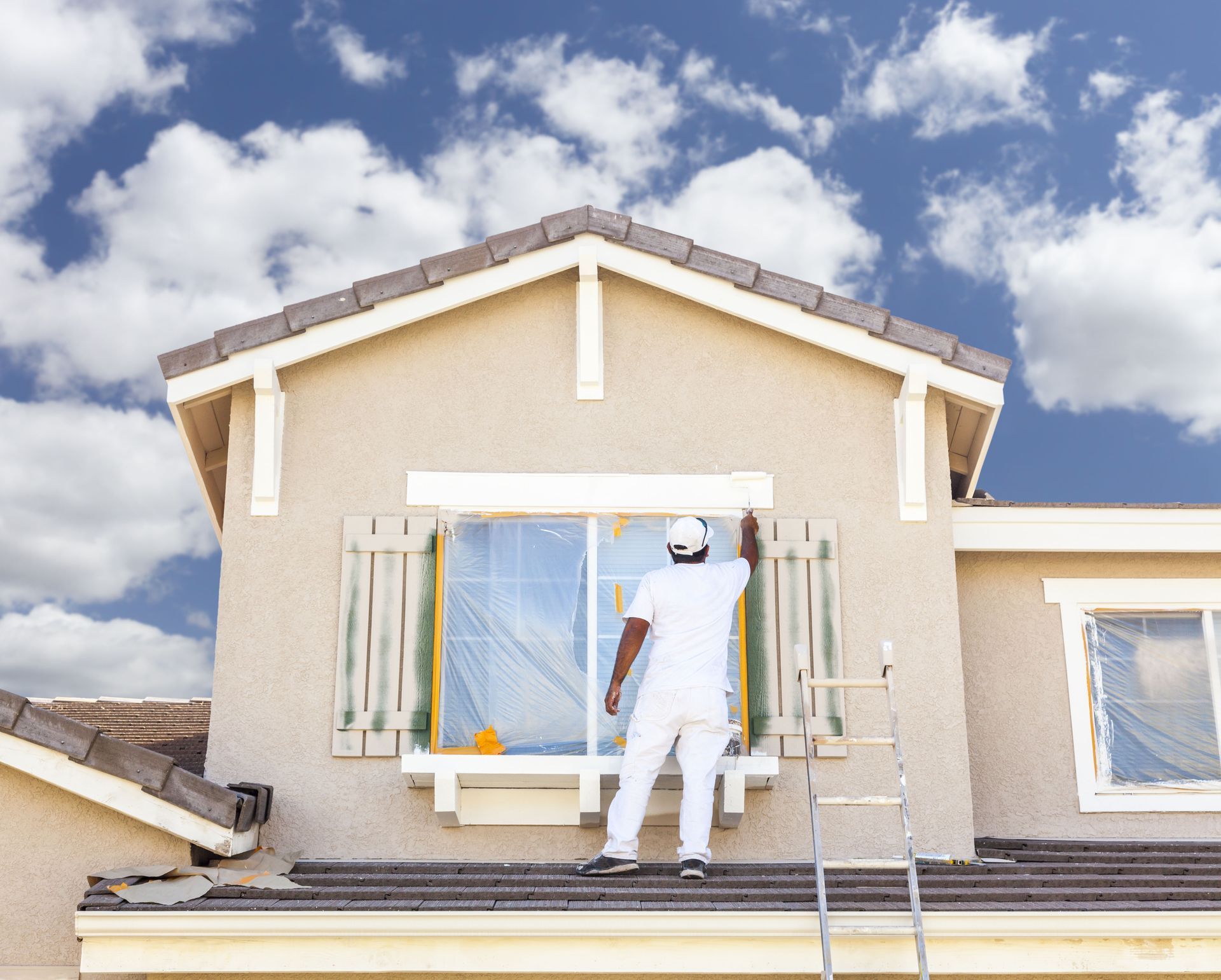
Window frames, whether wood, aluminum, or vinyl, play a crucial role in structural integrity and appearance. Wooden frames provide classic elegance but require maintenance to prevent rot, warping, or insect damage. Restoration includes repairing damaged sections, sanding, and applying protective coatings. Aluminum frames are durable yet prone to corrosion and fading; refinishing them with cleaning and protective coatings restores their appearance and strength.
Vinyl frames, known for affordability and energy efficiency, may warp or discolor over time. Refinement processes, such as cleaning and UV-resistant treatments, keep them functional and visually appealing. Assessing structural integrity and implementing moisture prevention measures protects against costly repairs and preserves commercial window restoration investments. Proper frame restoration ensures longevity, enhanced aesthetics, and consistent energy performance.
Weatherproofing and Sealing Windows for Energy Efficiency
Weatherproofing is essential to maintaining energy efficiency and building integrity. Properly sealed windows prevent heat loss, air leakage, and moisture infiltration, reducing HVAC strain and energy bills. Sealants such as silicone, polyurethane, and acrylic latex are applied based on specific restoration needs to optimize performance.
The sealing process involves removing old sealants, cleaning surfaces, and applying new sealants to gaps and joints for maximum protection. According to Green City Times, studies have shown that window tinting can reduce solar heat gain by up to 85%, providing energy savings of 15-30%. Regular inspection and maintenance of seals and weatherproofing enhances the effectiveness of commercial window restoration, contributing to long-term energy efficiency and comfort for building occupants.
Installing and Maintaining Window Tinting and Films
Window tinting provides multiple benefits for commercial buildings, including glare reduction, UV protection, privacy, and improved energy efficiency. Glare from direct sunlight can cause discomfort for employees, reduce productivity, and make it difficult to work with computers or other screens. Tinting minimizes these issues while simultaneously blocking harmful UV rays that can fade furniture, flooring, and artwork over time.
By limiting solar heat gain, tinted windows reduce the load on HVAC systems, lowering air conditioning requirements and contributing to significant energy savings. Various film types give property owners the flexibility to address specific performance, safety, and design goals within a commercial window restoration project.
Professional installation ensures precise application, preventing bubbles, wrinkles, or uneven coverage that can compromise both appearance and performance. Experts also provide guidance on selecting the appropriate film for the building's orientation, climate, and usage patterns, ensuring maximum efficiency and long-term durability. While DIY tinting kits may save money upfront, they often lack the expertise and tools required for a flawless application, which can lead to premature peeling, discoloration, or uneven heat reduction.
Beyond their practical benefits, professionally installed tints enhance a building's visual appeal. From sleek, modern finishes that complement contemporary architecture to custom decorative patterns that align with branding or corporate identity, window films can transform the exterior appearance while maintaining interior comfort.
Preserving and Restoring Historic Windows
Maintaining historic windows preserves architectural character and cultural heritage while allowing for modern upgrades. Skilled restoration techniques, such as sash repairs, glazing putty replacement, and paint stripping, ensure authenticity is retained. Partnering with conservation experts guarantees the use of proper materials and compliance with preservation standards.
Avoiding common pitfalls—like using incompatible materials or excessive modernization—is essential for maintaining historical value. Successful case studies show that integrating modern energy-efficient solutions with traditional craftsmanship revitalizes commercial buildings while respecting their legacy. Historic commercial window restoration provides both aesthetic charm and practical benefits, aligning heritage preservation with contemporary efficiency.
Implementing and Managing Routine Window Maintenance Programs
Comprehensive maintenance programs are critical to protecting the investment made through commercial window restoration. Programs include regular cleaning, inspections, and timely repairs to seals, frames, and glass. The frequency of maintenance depends on climate, building use, and window materials, with inspections ranging from monthly to annually.
While routine upkeep involves some costs, it prevents major repairs, extends window life, and maintains energy efficiency. Businesses can choose between self-maintenance and professional services, with experts offering specialized skills, equipment, and guaranteed results. Technological tools, including maintenance software and sensor-based monitoring, streamline tasks and ensure predictive interventions, maximizing the benefits of commercial window restoration.
Commercial window restoration is far more than a cosmetic improvement—it directly impacts a building's safety, energy efficiency, and long-term financial performance. Well-maintained and restored windows help regulate indoor temperatures, reduce energy costs, and protect occupants while enhancing overall building aesthetics. For historic properties, restoration preserves unique architectural details, maintaining cultural heritage while integrating modern energy-saving technologies.
Businesses that invest in comprehensive commercial window restoration programs benefit from reduced utility expenses, improved tenant comfort, and increased property value. Beyond the practical advantages, professionally restored windows create a positive impression for clients, visitors, and employees, reinforcing a professional and sustainable image. As technology and techniques evolve, commercial window restoration continues to provide innovative, cost-effective, and environmentally friendly solutions.
By understanding and utilizing these services—from glass replacement and frame refinishing to weatherproofing, tinting, and historic preservation—property owners can protect their investments, improve operational efficiency, and ensure long-term sustainability. Take action today by partnering with a
commercial window restoration specialist at Western Glass Restoration and Tinting to safeguard your building's performance, appearance, and energy efficiency for years to come.